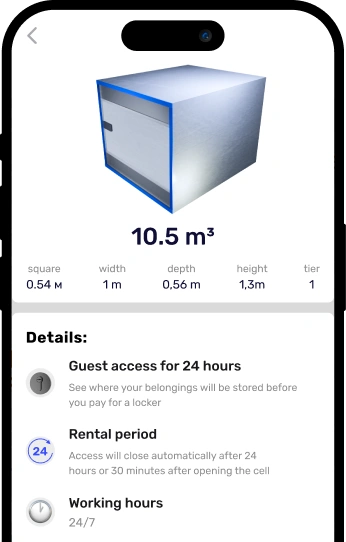
If you are comparing units and prices in Al Quoz, you are usually doing two things at once: you want a clear monthly budget, and you want a unit size that fits your items without paying for empty space. This page is built for that decision stage: you can compare pricing logic, unit options, and rental terms, then move to online booking when you are ready. For quick help, call +971 55 888 1111.
More details:
What you can compare on this page
You can use this page as a practical "decision worksheet" for storage pricing in Al Quoz. Instead of reading generic statements, you will see how pricing is typically calculated, what parameters change the final monthly cost, and how to map unit size to real-life items. Below you will find checklists and tables, so you can compare options in minutes, not hours, and avoid the common mistake of renting a unit that is either too small or unnecessarily large.
- This section helps you compare storage offers in a consistent way: price basis, rental term, access format, and how quickly you can start. When you compare providers, a low number is not always cheaper in practice if the unit does not match your scenario or if the process adds extra steps that slow you down. A structured comparison reduces stress and speeds up decision-making when you are planning a move, a renovation, or a business storage setup.
- You will also learn how to estimate budget using "price per m2" and a simple item-based sizing method. Many people overpay because they choose a size "by feel" without listing items and thinking about packing. A short list of items and a realistic access plan usually saves money faster than trying to negotiate, because you choose the correct size from the start.
- At the end of this page you will get a clear next step: select a unit size, check terms (from 1 month, 24/7 access), and proceed to online booking. If you want a quick confirmation on sizing, call +971 55 888 1111 and describe your items and timeline, so you can choose a unit with less risk of resizing later.
What affects the price of a storage unit in Al Quoz
Storage cost in Al Quoz is mainly shaped by three factors: how much space you rent, how long you rent it, and how your access needs influence the value of the rental format. The goal is not to chase the lowest advertised number, but to choose a unit that fits your items, fits your timeline, and fits your day-to-day routine. When those three fit, storage becomes predictable and easy to manage, which is exactly what most people want at this stage.
- Space is the primary price driver, but the practical driver is usable space, not just a bigger number. If you store boxes and suitcases, vertical stacking often reduces the footprint you need. If you store furniture, you need room to avoid damage and to keep items stable. The same "square meters" can feel very different depending on how you pack and how often you need to enter the unit, so sizing is where most savings come from.
- Term matters because your scenario defines the best rental rhythm. Some users need short-term storage between moving dates or while contractors work at home. Others need monthly storage from 1 month and then extend as needed. If you are not sure about timing, choosing a format that supports flexible, month-by-month planning can reduce the chance of paying for time you do not use.
- Access format affects value when your schedule is unpredictable. With 24/7 keyless access and app-managed control, you can visit at the time that fits you rather than planning your day around access windows. For many users, this removes friction during busy weeks, and that time saving becomes part of the value of the monthly cost, especially during moves, renovations, and business inventory cycles.
Unit sizes and common use cases
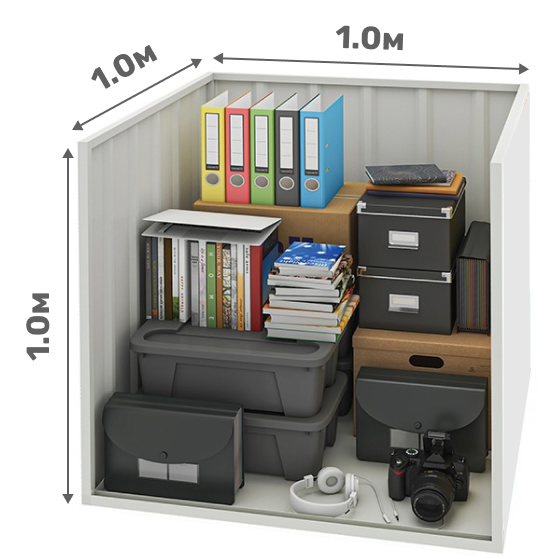
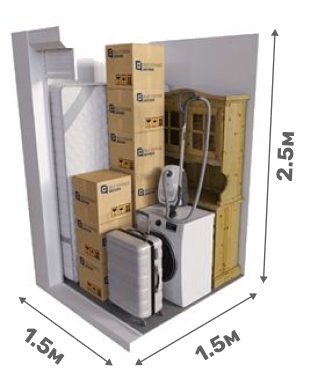
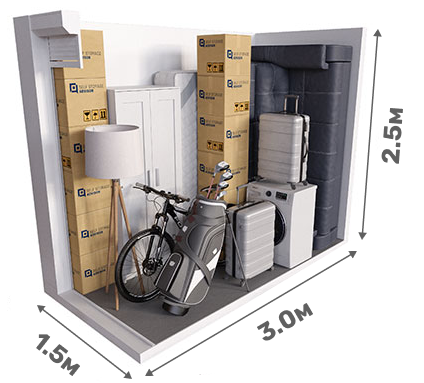
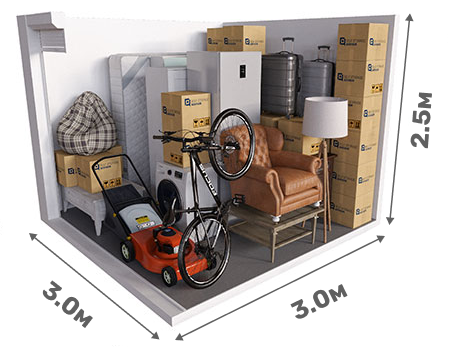
Unit size selection is where your price becomes logical. If you choose a unit that is too large, you pay for empty space. If you choose a unit that is too small, you waste time repacking or end up renting a second unit. The simplest method is to match size to items and access needs. Below you will see practical mapping ideas and a table that helps you compare formats and scenarios without guessing.
- For personal storage, people often store boxes, seasonal clothing, suitcases, sports items, or household belongings. In these cases, smart packing usually reduces the needed footprint. The best approach is to group items, standardize boxes where possible, and plan a small "access lane" if you expect to visit often. That keeps your unit efficient and keeps your budget closer to the minimum that still works comfortably.
- For moving storage, timing and speed matter. Between move-out and move-in, you want a unit that you can access on your schedule. Your items are often mixed: boxes, fragile kitchenware, some furniture, and personal essentials. A unit that is slightly more comfortable can reduce risk of damage and make loading and unloading faster, which matters when you are paying movers or working around a tight timeline.
- For renovation storage, the goal is to clear space at home so work can move forward. People commonly store furniture, electronics, and boxed items to protect them from dust and disruption. Here, easy access helps because you may need to retrieve items in stages. A clear plan of what must remain accessible versus what can be stored deeper inside the unit will help you choose the right size and keep the cost under control.
How renting works: online booking in 3 steps
When you want to compare prices and then start quickly, a simple online rental flow matters. The typical process is built around speed: you choose a unit, confirm your plan, pay online, and access your unit without paperwork delays. This is useful when your timeline is driven by moving dates, renovation schedules, or business operations. Below is a practical view of what to prepare and what happens after you confirm.
- Step one is preparation: list your items, decide your expected term, and decide how often you will visit. This prevents the most common mistake of picking a size based only on a number. A small list takes five minutes but often saves a month of frustration. If you are storing mixed items, separate them into "boxes", "fragile", "furniture", and "must-access" so size and layout become clear.
- Step two is selection: choose a unit size that matches your items and your access needs. If you will visit frequently, plan room for safe movement and quick retrieval. If the unit is mostly long-term, you can pack more densely. This is where you align price with reality, because your packing plan changes the size you truly need, and size is the main cost factor.
- Step three is activation: pay online and access your unit with a keyless format. The advantage is that your rental becomes manageable without extra steps. If you need to start quickly, this flow supports a fast transition from "comparing prices" to "storing items", which is why it works well for users who are already near the transaction stage.
Pricing and terms: from 1 month, 24/7 keyless access
Most users comparing storage prices in Al Quoz want a stable monthly budget and clear terms. The key terms here are straightforward: pricing is expressed from 150 AED/m2 per month, rental can start from 1 month, and access is available 24/7 with a keyless format managed through the app. Use the tables below to compare options and decide what fits your budget and scenario without forcing repeated calculations.
|
Option
|
What it includes
|
Who it fits
|
|
Online booking
|
Choose unit and plan in the app, confirm without paperwork
|
People who want to start fast and compare options clearly
|
|
Pay online
|
Online payment and rental management in one flow
|
Users who want predictable monthly budgeting and fewer steps
|
|
24/7 keyless access
|
Access anytime with a keyless entry format
|
Those with changing schedules, moves, renovations, business visits
|
This table shows why "terms" matter as much as the base rate. If you can book online, pay online, and access the unit 24/7, you reduce the operational friction that often costs more time than a small difference in monthly price. For busy timelines, the practical value is the ability to start and manage storage without waiting for calls or paperwork.
|
Format
|
Term
|
Key feature
|
When to choose
|
|
Monthly storage
|
From 1 month
|
Predictable planning, extend as needed
|
Seasonal items, personal storage, business inventory
|
|
Short-term storage
|
1-2 months
|
Useful between dates
|
Moving between homes, renovation timelines
|
|
Same-day start
|
Same day
|
Fast start when time is tight
|
Urgent need to clear space or store items today
|
The right format depends on your scenario. If you are not sure how long you need storage, short-term thinking with a month-by-month plan can protect your budget. If you know you will store for several months, monthly planning is easier and reduces repeated decision-making, which is often the hidden cost of storage management.
How to choose the right unit and avoid overpaying
Choosing the right unit size is the most reliable way to control storage cost. Discounts and promotions are secondary compared to selecting the correct size and packing method. The goal is to rent the smallest unit that still protects your items and supports your access needs. Use the checklists below to move from "guessing" to "choosing", and to make sure your unit fits both your items and your day-to-day routine.
- The first rule is item-based sizing: list your items and group them by type. Boxes and suitcases behave differently from furniture. A sofa or a bed frame needs space and careful placement. Boxes can be stacked. When you size based on groups, you avoid overestimating the footprint and you are more likely to pick the best value unit for the term you need.
- The second rule is access planning: decide whether you need to enter frequently or rarely. Frequent access requires a layout that is safe and practical, which may mean a slightly larger unit or better organization. Rare access allows dense packing. This single decision changes what "fits" and therefore changes the effective monthly cost, because the best unit is the one that fits your real behavior.
- The third rule is risk reduction: storage is not only about price, but also about protecting items and reducing rework. A unit that is too tight increases the chance of damage and makes retrieval harder. Many people save money by choosing a unit that matches their plan, not by choosing the cheapest unit and then paying with time and inconvenience. If you want a quick sizing confirmation, call +971 55 888 1111.
Budget estimate in 4 steps
- Write a short list of items and separate it into boxes, fragile items, and large items. This prevents the common mistake of treating everything as the same type of volume. When you separate categories, you can decide what can stack vertically and what needs protected space, which often reduces the required area and produces a more realistic monthly budget estimate.
- Decide your term: one month, two to three months, or longer. Term clarity helps you compare offers correctly and reduces the chance of paying for time you do not use. If your timeline depends on renovation or moving dates, choose a realistic starting term and plan a review point after the first weeks when your schedule becomes clearer.
- Decide how often you will access the unit. If access is frequent, plan a simple layout with a clear lane and a "front zone" for the items you retrieve most. This makes storage feel easy, which keeps you from resizing later. If access is rare, you can pack denser and choose a smaller size for better monthly value.
- Compare two sizes side by side: a minimum workable size and a comfortable size. This removes doubt and gives you a rational choice. If the price difference is small, comfort can save time and reduce damage risk. If the difference is large, choose the minimum and improve packing to keep your budget tight without sacrificing usability.
Size selection in 5 checks
- Standardize boxes if you can. When boxes have similar dimensions, they stack safely and waste less space. This often reduces the footprint you need and can shift you to a smaller unit tier. Standardization also makes retrieval calmer, because you can label by category and avoid unpacking half the unit to find one thing.
- Measure large items that cannot compress: furniture and certain equipment define minimum space. A sofa, a mattress, or a desk needs not just area but stable placement. Measuring removes guesswork and prevents a costly "does not fit" situation. It also helps you plan a layout that avoids scratches and pressure points, which matters for keeping items in good condition.
- Decide what must stay accessible. If you will need seasonal items, documents, or tools, keep them near the front and leave a small access lane. This is a practical reason to choose a slightly more comfortable unit if you visit often. Otherwise, you will waste time every visit and storage becomes a repeated unpacking task.
- Choose based on scenario: moving, renovation, personal storage, or business. Scenario changes both the mix of items and the timing pressure. Moving often includes mixed items and requires speed. Renovation often focuses on protecting furniture and clearing space. Business often requires regular access and stable organization. When scenario is clear, size selection becomes straightforward.
- Validate with a two-size comparison. Compare a smaller option versus the next size up and decide what you value more: minimum monthly cost or easier access and lower damage risk. This method reduces regret because you explicitly choose between two real options instead of trying to imagine dozens of possibilities, and it keeps the decision aligned with your budget and daily routine.
Practical questions to confirm before booking
At the price-comparison stage, the best "FAQ" is a short list of questions that helps you avoid the wrong unit and the wrong term. These questions are designed for real decisions: they reduce the chance of resizing, reduce the chance of overpaying, and make your storage plan easier to manage. Use the list below, then proceed to booking when your answers are clear.
- Which items are you storing and how often will you access them? If you access frequently, you need an organized layout and a unit that supports safe movement. If you access rarely, dense packing works and you can choose a smaller size. This one decision affects the effective monthly cost more than most other parameters because it changes what "fits" in real life.
- What is your realistic term from 1 month and what could extend it? Moves and renovations often shift in timing. If your timeline is uncertain, plan for a practical starting term and decide when you will review. This reduces the risk of paying for extra time you do not use, and it keeps the decision flexible without becoming chaotic.
- Do you need same-day start and 24/7 access, or can you work with a narrower schedule? If your timeline is tight, you will value a process that reduces steps and allows access on your schedule. If your schedule is predictable, you may prioritize smaller size and tighter packing. This is a value decision, not only a price decision, and it should match your week-to-week reality.
Before payment: 7 questions to confirm
- What is the shortest realistic list of items you will store, and what is the maximum list if your timeline extends? This helps you choose a size that fits both your current plan and a realistic extension scenario.
- Which items must remain easy to retrieve, and which can be placed deeper in the unit? This defines whether you need an access lane and therefore changes size needs.
- Are you storing mostly boxes, mostly furniture, or a mixed set? Mixed sets often benefit from a slightly more comfortable size because furniture placement reduces the usable footprint for boxes.
- Do you expect one move-in day or multiple visits with staged storage? Multiple staged visits favor a layout that supports quick retrieval and organization, which affects size choice.
- What is your intended term from 1 month, and what is your plan if the term changes? Having a review date reduces stress and keeps your budgeting controlled.
- What is your budget target, and what is your acceptable range? A clear range helps you compare sizes without emotional pressure and keeps decisions consistent.
- Do you need immediate start and app-managed access for your schedule? If yes, prioritize process simplicity, because it prevents delays that often cost more than small monthly price differences.
Next step: choose a unit and start online
If you are ready to decide, pick a unit size based on items and access frequency, confirm your term (from 1 month), and compare the final monthly budget using price per m2. Then proceed to online booking so you can start without delays. If you want a quick sizing confirmation before you commit, call +971 55 888 1111, describe your items and timeline, and choose a unit that fits your budget and your schedule.