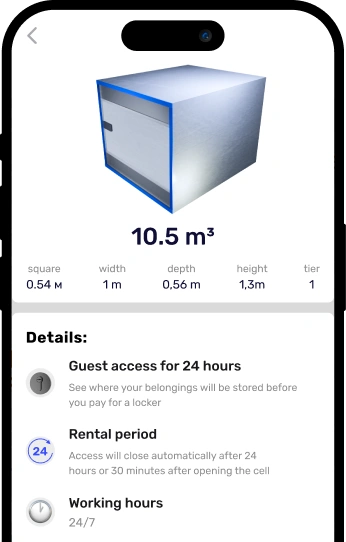
Office storage in Al Quoz is a practical way to rent secure space for office furniture, IT equipment, documents and supplies when you are moving, renovating, downsizing or simply trying to keep the workplace clear. This page explains how office storage rental in Al Quoz works with app-based management, what storage formats and unit sizes fit typical office loads, how to think about cost, and what to check before you book. Below you will find checklists, clear tables, and a step-by-step flow that helps an office team choose a storage unit without overpaying for unnecessary space or creating operational delays.
More details:
What office storage in Al Quoz is and when it makes sense
In this block you will understand what office storage means in practice and when it is more convenient than keeping items at the office or arranging short-term warehouse space. Office storage units in Al Quoz are individual secured spaces rented for storing business property related to office operations. The goal is simple: protect items, keep access predictable, and avoid turning the office into a storeroom that slows work and creates daily clutter.
Companies usually turn to office storage when the office layout changes, teams move locations, a renovation is planned, or the business wants to separate work areas from storage tasks. A dedicated storage unit helps keep archived documents organized, office furniture protected, and equipment ready for reuse, while the main workplace stays clean and functional. If you want to decide quickly, use the checklist below and then compare unit formats and cost factors in the next sections.
When companies use office storage in Al Quoz
- Office relocation often creates a gap between move-out and move-in, or a period when furniture and equipment cannot be placed immediately. A storage unit helps keep desks, chairs, cabinets and boxed items together in one controlled place, so the moving process stays planned and you do not lose time searching for critical items across different temporary locations.
- Office renovation projects frequently require clearing rooms before works start, while the team continues operations or partially works on-site. A storage unit lets you remove vulnerable items such as electronics, paperwork, and furniture that can be damaged by dust and constant movement, reducing interruptions and keeping renovation logistics simpler for both staff and contractors.
- Downsizing or reformatting office space can leave surplus furniture and equipment that you do not want to sell immediately. Storage gives a buffer period to decide what to keep, redistribute, or replace, while maintaining access to assets that may be needed again during hiring, seasonal workload changes, or internal restructuring.
What you can store from an office and how to plan space
This section helps you map real office items to storage needs, so you do not guess blindly and end up booking the wrong unit size. Office storage usually includes furniture, IT and peripherals, archived documents, marketing materials, spare supplies, and sometimes equipment used for projects or events. The core challenge is not only volume, but also how you want to access items: frequently used supplies need a practical layout, while archives can be stored more compactly.
A useful approach is to split items into three groups: daily access, occasional access, and long-term storage. This makes it easier to choose a unit size, decide how to pack items, and plan who needs access. Below is a structured overview of what usually goes into office storage and which scenarios it matches. In the table you will also see which options fit short-term storage during moving and which work for monthly storage that supports ongoing operations.
even a small office can have surprisingly bulky items such as chairs, partitions, and boxed peripherals. Planning space by item type prevents paying for extra square meters that you do not actually use and reduces time spent re-organizing after move-in.
|
Furniture storage
|
Desks, chairs, cabinets, shelving, meeting room items
|
Moving, renovation, downsizing, spare furniture
|
|
Office equipment storage
|
Computers, monitors, printers, peripherals, boxed electronics
|
Temporary storage during renovation or relocation
|
|
Document storage
|
Archived folders, boxed paperwork, records for periodic access
|
Offices that need to free workspace and keep archives organized
|
|
Supplies and materials
|
Packaging, promo materials, seasonal supplies, event items
|
Teams with changing operational needs and periodic projects
|
you can match your office items to a storage purpose, then select a unit size based on how much you need to access and how often. If you want a fast decision, go to the checklists below and then review the pricing factors section before booking.
Typical office items: furniture, IT, archives, supplies
- Office furniture storage works best when you pack and label items by room or department, so the team can retrieve what they need without unpacking everything. Desks, chairs and cabinets are easier to manage when you plan a simple inventory list, group identical items together, and protect surfaces for transport and storage, especially if the unit is used more than once across different office moves.
- Office equipment storage is often about reducing operational risk, because electronics and peripherals are expensive and sensitive to rough handling. The practical approach is to pack devices in stable boxes, keep cables and accessories labeled, and store frequently needed items near the front of the unit so staff can pick them up quickly without shifting heavy furniture, saving time during tight relocation schedules.
- Storage for office documents is typically driven by organization and compliance within internal processes, because archives tend to grow year by year. A storage unit helps keep boxes grouped by year, department or project, and you can design a simple retrieval rule so the office does not waste hours searching for a specific file. If documents are accessed rarely, compact packing saves space and makes the monthly cost more predictable.
How office storage rental works with app-based access
This block explains the rental flow and what the team experiences after booking. GetSpace is built around app-controlled management, which means booking, payment and access are handled digitally. The main benefit for an office team is predictable access without keys and without paperwork-heavy coordination, which often slows down storage logistics.
The practical workflow is simple: the team selects a unit and plan, completes payment online, and uses the app for keyless access. This matters when several people need entry at different times, or when you want to avoid a single physical key becoming a bottleneck. Below is a step-by-step view of the process, followed by a short checklist of what happens immediately after booking so you can plan your move.
Booking, payment and access in a simple flow
- Download the GetSpace app and sign up, then review available locations and unit options so you can match storage to your office plan. This step helps you avoid booking the wrong area or size, because the team can compare options before any physical move starts, keeping relocation tasks structured rather than rushed.
- Choose your unit and plan with the office scenario in mind, such as temporary storage during renovation or monthly storage for ongoing operations. A clear selection at this stage reduces last-minute changes that often cause delays, because the unit becomes the single destination point for furniture, equipment and archived boxes.
- Pay online and access instantly with keyless entry via the app, allowing the team to move items without waiting for manual handovers. This is especially useful when movers, facility staff, or different office departments operate on separate schedules and you still want access control to remain organized and predictable.
Unit sizes and storage formats for office needs
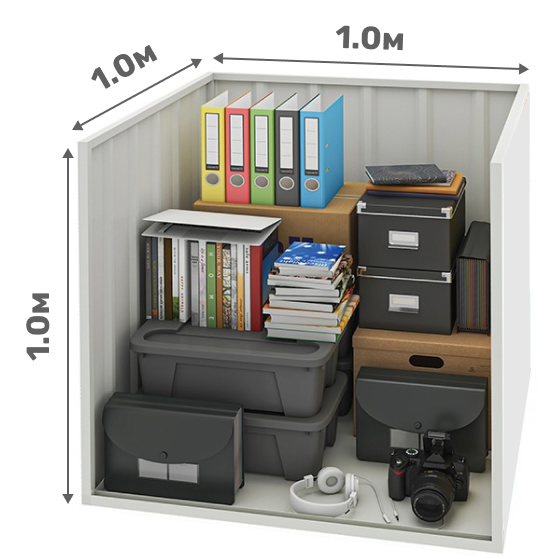
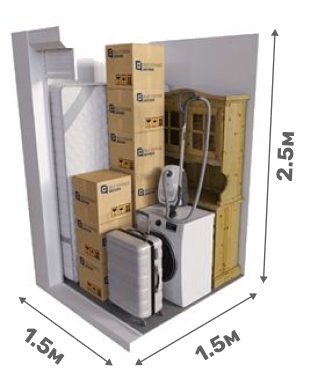
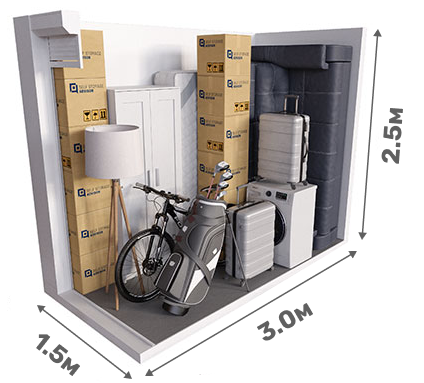
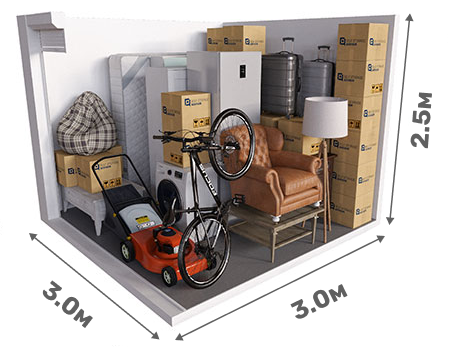
Here you will learn how to think about unit sizes and formats without guessing. Offices store items that vary widely in shape and weight, and the best choice depends on whether you want compact long-term storage or a layout that supports frequent retrieval. A storage unit can function like a mini-warehouse for an office, but only if you plan space with access paths and item grouping.
A good method is to estimate how many standard moving boxes you will have, how much furniture is included, and whether equipment must be separated from heavy items. In the checklist below you will see a practical sizing approach, and in the second table you can compare usage formats for temporary storage during moving versus monthly storage for ongoing office needs.
office storage is not only about volume, but also about accessibility. If you need to retrieve items weekly, you may need slightly more space for organization. If storage is mostly long-term, compact packing can reduce the required unit size and stabilize cost.
|
Temporary office storage
|
Short-term use during moving or renovation
|
Focus on fast move-in and quick retrieval
|
Moving, renovation, office setup changes
|
|
Monthly office storage
|
Ongoing storage with flexible monthly terms
|
Suitable for predictable long-term organization
|
Archives, spare furniture, supplies management
|
|
Mixed-use storage
|
Combination of frequent and rare access
|
Requires layout planning inside the unit
|
Offices with rotating inventory and equipment
|
|
Project-based storage
|
Storage aligned to a specific contract or event
|
Useful for equipment and materials
|
Seasonal workload, events, short projects
|
После таблицы проще выбрать формат: temporary storage prioritizes speed and operational continuity, while monthly storage prioritizes cost predictability and organization. If you are unsure, use the checklist below and decide based on access frequency and how fast you expect to retrieve items after move-in.
Checklist: choose a unit size for office items
- Create a simple list of categories: furniture, IT equipment, documents and supplies, then estimate how many boxes each category will generate. This keeps sizing realistic, because offices often underestimate accessories and peripherals, and those small items can take significant space when packed safely and labeled for later retrieval.
- Define access frequency for each category, because frequently accessed supplies and equipment benefit from a layout with space to move and quickly find items. If you plan weekly access, leave room for an aisle and keep essential items near the front, which may require a slightly larger unit than pure volume calculations suggest.
- Plan internal organization before moving in: decide whether shelves, stacking strategy, and labeling rules will be used, and assign who is responsible for inventory tracking. This step prevents chaotic packing, reduces time spent reorganizing later, and makes the storage unit function as an operational extension of the office rather than a random pile of boxes.
Office storage price in Al Quoz and what affects cost
In this block you will understand pricing logic and what to compare when choosing office storage rental in Al Quoz. GetSpace indicates pricing from 150 AED per square meter per month, and offices typically evaluate cost based on unit size, expected storage duration, and how the team plans access. A clear cost approach reduces overspending and helps avoid operational friction when you realize the unit is too small or not organized for your workflow.
Office storage price in Al Quoz starts from 150 AED per square meter per month.
Pricing factors: what to compare
- Unit size is the primary driver, but offices should compare size against realistic packing volume and access needs, because a unit that is too compact often leads to time loss and re-stacking every time someone retrieves equipment. Paying slightly more for usable organization can reduce hidden operational cost, especially when several staff members access storage across the month.
- Rental duration matters because offices may need short-term storage during relocation or longer monthly storage for archives and spare furniture. The best comparison is not only monthly price, but also whether your plan supports flexibility, so you can scale the unit as the office changes without creating a new logistical problem in the middle of an ongoing project.
- Access planning influences cost effectiveness: if you require frequent access and fast retrieval, internal layout is part of the value. When access is rare, compact packing can reduce required space. Comparing cost without considering operational time often leads to the wrong decision, because the cheapest unit can become expensive in staff hours and delays.
Why offices choose GetSpace for storage
This section explains practical reasons offices select GetSpace for office storage in Al Quoz, focusing on how storage fits into daily operations. GetSpace is positioned as app-managed self storage with 24/7 keyless access, designed to remove friction such as calls and paperwork. For office scenarios, this helps when multiple team members need access at different times and when storage must stay available outside standard business hours.
Security and safety systems are a common decision point for office storage because offices store valuable assets and sensitive materials. GetSpace indicates 24/7 video surveillance and real-time monitoring as well as an automated fire protection system and fire safety focus, which addresses typical office concerns about risk during temporary storage periods. Below is a practical breakdown of what offices usually value most, and how to evaluate fit before booking.
Security, monitoring and fire safety for office assets
- Security is often the baseline requirement for office storage because equipment, documents, and furniture represent real business value. Video surveillance and monitoring reduce uncertainty during relocation or renovation, and a clear access model helps offices avoid situations where keys circulate without control, which is a frequent weak point in shared storage arrangements.
- Fire safety is critical for offices storing archives and equipment, because damage can create both financial loss and operational disruption. Automated fire protection and a structured safety approach reduce risk perception and help offices feel confident storing assets for weeks or months, especially during renovation when items are temporarily removed from the main workplace.
- App-based access supports operational control because entry is keyless and can be aligned to team workflows. Offices can plan access without physical handovers, and this becomes especially useful when movers, facility staff and different departments operate on different schedules and storage access must remain consistent rather than dependent on one person holding a key.
Practical questions before you book office storage
This block is designed to help you avoid mistakes that office teams commonly make when renting storage. Instead of generic advice, it focuses on the questions that directly affect the outcome: unit size choice, access workflow, and how to protect items such as IT equipment and documents. Use the checklist to prepare your internal plan, then proceed to booking with a clearer understanding of what your office needs.
Office storage checklist for decision-making
- Confirm what you will store and for how long, separating items into furniture, equipment, documents and supplies, then assign a responsible person for inventory tracking. This reduces confusion during move-in and ensures the storage unit does not become an unstructured pile where items are hard to find, which is the main reason offices lose time and pay for extra space later.
- Decide who needs access and how often, because office storage works best when access rules are planned in advance. If several people require entry, define a workflow for permissions and retrieval tasks, and plan internal organization so frequently used items are reachable. This keeps operations stable and prevents staff from wasting time during urgent pickups.
- Clarify storage requirements for sensitive categories like documents and electronics, including packing, labeling, and handling rules. Even when storage is secure, the office still controls how items are prepared. A simple packing standard and labeling approach reduces damage risk and makes retrieval faster, especially when storage spans multiple weeks and people forget what is inside each box.
Book office storage in Al Quoz
If you need office storage rental in Al Quoz for furniture, office equipment or document archives, you can book a storage unit online and manage access through the GetSpace app. The flow is built for speed: choose a unit, pay online, and access storage with keyless entry. To align the right unit size and storage format to your office timeline, start booking and use the checklists above to plan packing, access and internal organization.