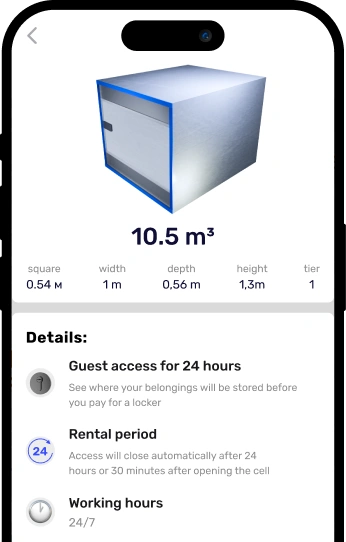
If you are searching for moving and storage in Al Quoz, you likely have one practical problem: your moving timeline does not fit into a single clean day. Maybe you are between apartments, your handover dates do not match, renovation overlaps with relocation, or you simply want to move in stages instead of rushing everything at once. At this decision stage, most users want short term storage during moving with fast start, clear terms, and the ability to access items on their own schedule. This page helps you choose the right unit size, organize temporary storage between moves, and set up your move-in so you do not waste time or pay for unnecessary space. If you want quick help choosing the right unit size for your moving list and dates, call +971 55 888 1111.
More details:
Who needs moving storage in Al Quoz and when it helps most
Temporary moving storage is most valuable when your schedule is uncertain or split into phases. People usually do not look for moving storage because they want extra steps. They look for it because it reduces stress, protects belongings, and makes relocation manageable. In practice, it gives you a buffer: you can pack and move when it suits you, and you can retrieve items as you settle into the new place.
- People moving between apartments with a date gap often need storage between moves. Even a short gap can create a cascade of problems: where to keep boxes, where to place furniture, and how to avoid daily chaos. A moving storage unit lets you complete move-out cleanly and keep items in one controlled location until move-in is ready.
- Families or individuals doing a staged move often choose short term moving storage. Instead of attempting everything in one day, they move non-essential items first, then core furniture, then final boxes. This approach reduces damage risk and turns a stressful move into a sequence of simple tasks with clear checkpoints.
- Renovation-driven relocations are another common scenario. If you renovate and also need to relocate temporarily, storage during moving becomes the anchor that protects belongings and keeps them organized. This is especially helpful when your renovation timeline shifts and you need flexible storage between moves without repacking everything repeatedly.
- People who travel or have uncertain handover schedules often use moving storage as a safety plan. If you are waiting for keys, waiting for delivery, or coordinating multiple moving steps, temporary storage gives you control. You store items once, then retrieve them in the order you actually need.
What you can store during a move: typical item groups
Moving storage works best when your items are grouped by retrieval priority. If you pack everything randomly, you lose the main benefit of temporary storage: quick retrieval without unpacking the entire unit. The goal is to store items in a way that fits both space efficiency and your move timeline.
- Boxes of household items are the easiest to store and the easiest to organize. Standardized box sizes stack safely and reduce wasted space. If you label boxes by room and priority, you can retrieve essentials first and leave the rest in storage until you are ready.
- Personal belongings, seasonal items, and occasional-use items are perfect for temporary storage between moves. These items often create clutter and slow down the move. Storing them separately keeps your move-in clean and helps you settle faster.
- Furniture during moving requires a stable plan. Sofas, beds, and tables define the layout and reduce stacking flexibility. If you store furniture, create a stable base layout first and place boxes around it in controlled stacks so you avoid pressure on furniture surfaces.
- Mixed moving storage is common. Many users store furniture plus boxes plus personal items together. In that case, layout matters more than squeezing everything into the smallest unit. A unit that allows a practical access path usually saves time and reduces damage risk.
Choosing a unit size for moving and storage in Al Quoz
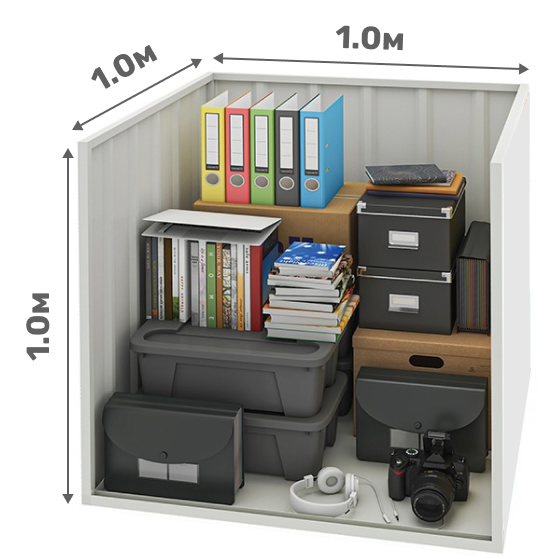
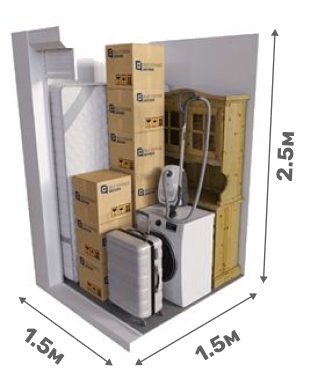
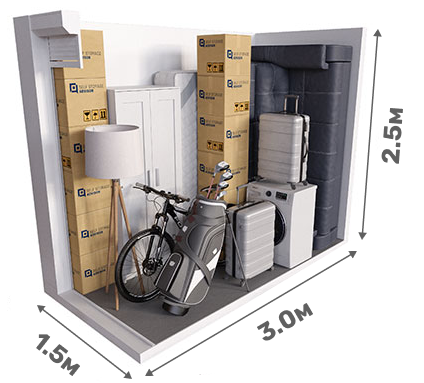
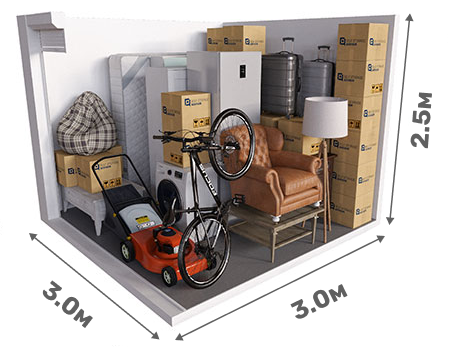
The biggest cost mistakes in moving storage come from size selection. People often rent a unit that is too large because they are stressed, or too small because they try to minimize cost without considering layout. The right approach is to pick a unit that fits your inventory and your retrieval plan, not just the total volume.
- Make a quick moving inventory and separate it into furniture, boxes, and fragile items. Furniture defines layout and minimum usable space. Boxes define stacking potential. Fragile items define protection needs.
- Decide what you must retrieve first. If you want essentials accessible, you need an access lane and an organized front zone. If the unit is only a buffer until move-in, you can pack denser and choose smaller.
- Estimate packing efficiency. If you use standardized boxes and label them, you can store more in less space without chaos. If your packing will be irregular, choose a size with some comfort margin.
- Compare two sizes: minimum workable and one size up. A slightly larger unit can reduce damage risk, reduce time spent rearranging, and prevent resizing mid-move. If budget is tight, choose smaller and improve packing structure.
- Validate by layout: furniture base first, then boxes, then fragile items. If the layout blocks access completely and you need retrieval, the unit is effectively too small for your purpose.
How moving storage works: book in 3 steps
Moving storage is often time-sensitive. Users want to solve the immediate gap and move forward. App-based management is built for that: online booking, online payment, and keyless access reduce friction and allow fast start.
- Download the app and sign up. Explore available unit options and choose a plan that matches your moving timeline.
- Select a unit and plan. Rental can start from 1 month, which supports short term storage during moving and staged relocations.
- Pay online and access your unit with keyless entry. Access is available 24/7, which helps when moving schedules shift or deliveries arrive outside normal hours.
If you want same-day move-in, plan your move-in sequence before you arrive. The fastest move-in is the one where you already know where furniture goes, where boxes stack, and what must remain accessible.
Moving storage price and rental terms in Al Quoz
Moving storage cost is driven mainly by unit size and rental duration. Pricing is referenced from 150 AED per m2 per month, and rental is available from 1 month. For moving, the best budgeting approach is to match unit size to your inventory and access needs, and to avoid paying for unused space. If you anticipate multiple visits during the move, a slightly larger unit can save time and reduce rearranging, which often lowers total moving effort even if monthly cost is a bit higher.
|
Option
|
What it includes
|
Who it fits
|
|
Online booking
|
Choose a unit and plan in the app
|
Users who need fast decision-making during moving
|
|
Pay online
|
Manage rental without paperwork
|
People who want predictable budgeting
|
|
24/7 keyless access
|
Access anytime with a keyless format
|
Moves with changing schedules and multiple visits
|
This table clarifies the practical meaning of terms. Moving is rarely perfectly scheduled. The ability to access storage 24/7 and manage everything online supports real-world moving behavior: late pickups, early drop-offs, and unexpected delays.
|
Moving storage format
|
Term
|
Key feature
|
When to choose
|
|
Short term moving storage
|
From 1 month
|
Buffer between dates
|
Between apartments, handover gaps, staged move
|
|
Monthly moving storage
|
Multiple months
|
Predictable planning
|
Renovation overlaps, long relocation timelines
|
|
Same-day start
|
Same day
|
Quick setup
|
Urgent move-out, sudden date shift
|
A practical approach is to choose a plan that matches your current certainty, then review after your first week. After you have moved in part of your items, you will know whether the unit size and access setup match your reality.
How to pack and protect items for temporary storage
Packing for moving storage is different from packing for a single-day move. In storage, items may sit for weeks, and you may access them multiple times. Good packing reduces damage risk and makes retrieval easy. Poor packing turns the unit into a chaotic pile that wastes your time and increases breakage.
- Group items by room and by priority. Priority means what you need first after move-in. If you keep essentials accessible, you can settle in faster and avoid multiple trips back and forth because you cannot find what you need.
- Standardize box sizes whenever possible. Uniform boxes stack safely, reduce wasted space, and make it easier to keep an access lane. This can allow a smaller unit without losing usability, which directly supports affordable moving storage.
- Protect fragile items and avoid pressure stacking. Fragile items should not be placed under heavy boxes or squeezed into tight gaps. Use stable positioning and keep fragile zones separate so you do not break items when retrieving something else.
- Plan furniture placement as a stable base. Furniture defines the layout. Place large items first, then fill around them with boxes. Avoid leaning heavy items in a way that could tip or press on surfaces over time.
Packing checklist for temporary storage in 9 steps
- Create a box labeling system by room and retrieval priority. This prevents the common problem where you have storage but cannot find essentials without unpacking everything.
- Separate essentials from non-essentials. Essentials should remain reachable in the front zone, while long-term items can be packed deeper. This makes temporary storage between moves actually useful.
- Use standardized boxes and avoid overfilling. Overfilled boxes collapse, underfilled boxes crush. Stable boxes reduce damage risk and improve stacking efficiency.
- Wrap fragile items and store them in a dedicated zone. A dedicated fragile zone prevents accidental pressure stacking and reduces breakage when you retrieve other items.
- Disassemble furniture when practical. This can reduce footprint and make layout more stable. The goal is safe placement and efficient use of space, not forcing large items through tight gaps.
- Protect edges and corners of furniture. Moving and storage damage often happens at corners. Simple protection reduces damage during move-in and during later rearranging.
- Build the layout in layers: furniture base, then boxes, then fragile items. This keeps the unit stable and reduces the need to move items repeatedly.
- Keep an access lane if you will visit more than once. A narrow lane is enough. Without it, every visit becomes a full repack, which wastes time and increases damage risk.
- Take a quick photo of the unit layout after move-in. This makes later retrieval faster because you remember where zones are, even weeks later.
Practical questions before you book moving storage
At the transaction stage, good questions prevent costly mistakes. Moving storage is usually purchased under time pressure, so the goal is to confirm unit size fit, access needs, and timeline risk before you pay. The list below focuses on the questions that reduce stress the most.
- Do you need storage during moving for repeated visits, or is it a single buffer until move-in day? If you need repeated visits, layout must include access and organization. If it is a one-time buffer, dense packing is fine and may reduce size needs.
- Are you storing furniture, boxes, or both? Furniture changes layout rules and often increases the minimum comfortable size. Boxes alone are easier to store densely and may fit into a smaller unit.
- Is your moving timeline stable? If dates can change, choose a plan that remains workable if you need an extra week or month. A storage solution should reduce anxiety, not create a new one.
Before booking: 8 questions to confirm
- What is your inventory list and which items define layout: sofa, bed, wardrobe, appliances, or mostly boxes? This prevents choosing a unit that is too small in real-world use.
- Will you access items during storage, and what must remain reachable? Access needs define whether you need an access lane and a front zone.
- Are you moving in stages or in one day? Staged moves benefit from organization and reachable zones, while one-day buffer storage can be packed denser.
- How long do you need storage from 1 month, and what could extend the timeline? A planned review point helps budgeting if dates shift.
- Do you need same-day move-in because of deadlines? If yes, plan move-in sequence to reduce time on site and avoid chaotic placement.
- Is your priority lowest monthly cost or easiest access during moving? A clear priority helps you choose between two sizes without hesitation.
- Do you have a simple labeling and packing system? A small system prevents chaos and makes temporary storage between moves genuinely useful.
- Do you expect to store valuables or fragile items that require extra attention? If yes, plan dedicated zones and avoid pressure stacking.
Next step: reserve moving storage online
If you are ready to book moving storage in Al Quoz, choose a unit size based on your inventory and access needs, confirm your rental term, and complete booking online. If you want quick guidance on unit size for your moving list and schedule, call +971 55 888 1111 and describe what you store, how long you need storage, and whether you want repeated access. That helps you reserve a unit that fits your move and keeps monthly cost under control.