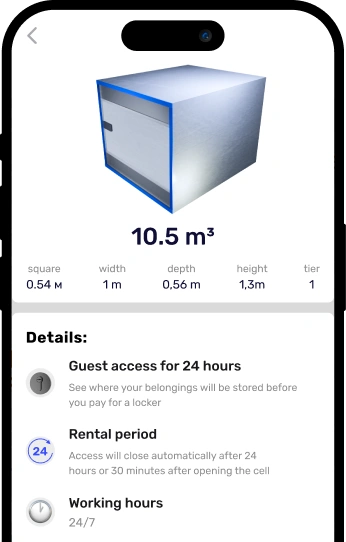
If you are looking for furniture storage in Al Quoz, you usually have a clear situation: you need space for household furniture for a limited period or for a longer plan, and you want storage to be predictable, safe, and easy to access. This page is built for users who are close to booking and want practical answers: what furniture typically fits, how to choose a storage unit size without guessing, how rental terms work, and how to protect furniture so it stays in good condition. If you want quick help selecting a unit size for your items and timeline, call +971 55 888 1111.
More details:
Who furniture storage in Al Quoz is designed for
Furniture storage is most often a time-bound decision. People do not rent furniture storage because it is trendy; they rent it because their life timeline requires it. The best solution is the one that matches your furniture list, your access needs, and your move-in constraints, without pushing you into a unit that is larger than necessary.
- Moving scenarios are the most common. When move-out and move-in dates do not align, or the move is staged, furniture storage acts as the buffer that removes pressure. In practice, a storage unit can reduce last-minute compromises, protect items from damage, and allow you to move at a steady pace rather than rushing every decision in a single day.
- Renovation scenarios require clear space and protection. Furniture often needs to be removed to protect it and to allow work to proceed. In this case, the key decision is safe storage: stable placement, protection against dust and friction, and a unit size that supports a clean layout. Choosing a comfortable layout is often more important than squeezing everything into the smallest possible space.
- Travel or temporary relocation also drives demand. If you leave Dubai for a period and do not want furniture to remain in an unused apartment or in an uncontrolled environment, a storage unit gives you a structured solution. For this group, 24/7 access is useful because travel schedules rarely match normal business hours.
- Decluttering and home organization can also lead to furniture storage. Some people store a spare bed, sofa, or dining set while changing living arrangements. In these cases, monthly planning matters, and the best unit is the one that keeps your budget under control while still allowing safe placement and retrieval.
What furniture fits: typical items and packing logic
Furniture storage is different from box storage because furniture defines your layout. A sofa, bed, or wardrobe takes space even when placed efficiently, and you cannot stack boxes on top of many furniture pieces safely. The goal is to create a stable layout where furniture is protected and items remain accessible without repeated rearranging.
- Sofas, armchairs, and tables usually fit when you plan a stable base layout. The key is to avoid pressure points and to prevent movement during move-in. If you store a couch, keep it stable, protect corners, and avoid forcing it into a tight shape that causes rubbing and surface wear over time.
- Beds, mattresses, and frames require attention to placement. Even if the unit size is sufficient, a mattress can be damaged if it is bent, squeezed, or pressed under heavy items. Planning the layout before you arrive helps you avoid rushed decisions that lead to poor placement and long-term damage.
- Cabinets, wardrobes, and shelving often define the minimum usable space because they require safe positioning and cannot always be stacked. If you store these items, prioritize a unit layout that prevents tipping and allows you to protect edges and surfaces during move-in.
- Mixed furniture storage is common during moving and renovation. Many users store a sofa, a bed, boxes, and household items together. In this case, a layout approach is essential: furniture goes first as the base structure, then boxed items fill around it in a stable, organized way.
Choosing a furniture storage unit size in Al Quoz
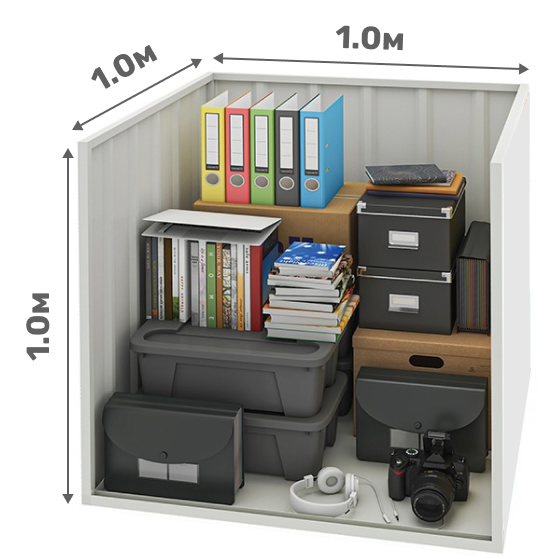
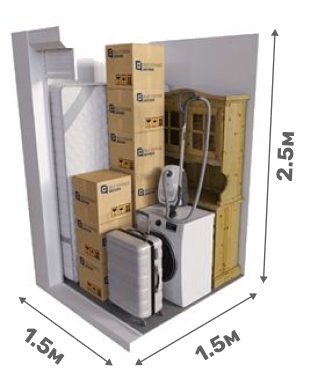
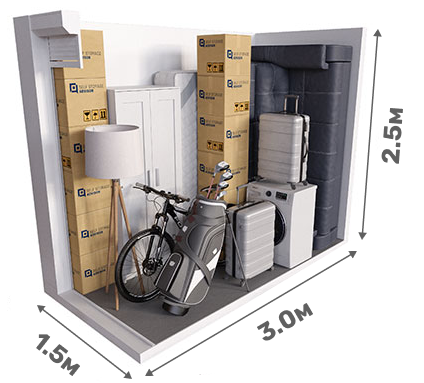
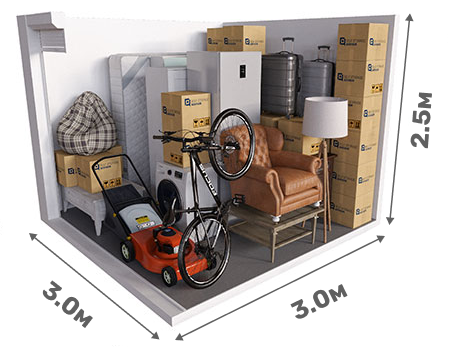
Most problems in furniture storage come from choosing size by guesswork. You can avoid that by using a structured method that turns your furniture list into a space plan. The goal is to choose the smallest comfortable unit that still allows safe placement, access, and protection.
- Write a furniture list and note the biggest items that define layout, such as sofas, mattresses, wardrobes, and tables. These items shape your base plan and determine how much usable space remains for boxes.
- Decide whether you need access during storage. If you plan to retrieve items during the month, leave an access path and keep key items reachable. If access is rare, you can pack denser and choose a smaller unit.
- Define your storage timeline: short term furniture storage from 1 month or longer monthly planning. Timeline affects how much organization you should build into the unit. Short term storage can be simpler; long term storage benefits from clear labeling and stable layout zones.
- Compare two sizes: minimum workable size and one size up. If the upgrade reduces risk of damage and makes move-in easier, it can be better value than forcing a tight fit that leads to resizing or repeated rearranging.
- Validate with a layout thought experiment: furniture base first, then boxes around it. If the layout looks unstable or blocks access completely, the unit is likely too small for safe furniture storage.
How furniture storage works: book in 3 steps
A major reason users choose app-managed storage is speed and control. Furniture storage often happens when life is already busy, so reducing friction matters. The process is designed around online booking, online payment, and keyless access so you can move from decision to action quickly.
- Download the app and browse available unit options. Choose a size based on your furniture list and whether you need access during the rental period.
- Select a unit and plan. Rental can start from 1 month, which supports short term furniture storage and staged moves or renovations.
- Pay online and access the unit with keyless entry. Access is available 24/7, which helps if your move or delivery schedule is outside standard hours.
If you need to start quickly, plan your move-in sequence in advance: furniture placement first, then protective setup, then boxes and smaller items. This reduces time on site and keeps layout stable.
Furniture storage price and rental terms in Al Quoz
Furniture storage cost is mainly driven by unit size and rental duration. Pricing is referenced from 150 AED per m2 per month, and rental is available from 1 month. The best budgeting approach is to match unit size to your furniture list and avoid paying for unused space while still keeping enough room for safe placement and protection.
|
Option
|
What it includes
|
Who it fits
|
|
Online booking
|
Choose a unit and plan in the app
|
Users who want a fast decision and clear comparison
|
|
Pay online
|
Manage rental without paperwork
|
People who want predictable monthly budgeting
|
|
24/7 keyless access
|
Access anytime with a keyless format
|
Moving and renovation timelines with changing schedules
|
This table highlights what matters for furniture storage: clear control, predictable payments, and flexible access. For many users, the ability to manage storage on their schedule is the main practical advantage, especially during moving and renovation.
|
Rental format
|
Term
|
Key feature
|
When to choose
|
|
Monthly furniture storage
|
From 1 month
|
Predictable planning
|
Ongoing storage, staged moves, long projects
|
|
Short term furniture storage
|
1-2 months
|
Temporary buffer
|
Between move dates, renovation windows
|
|
Same-day start
|
Same day
|
Fast setup
|
Urgent need to clear space quickly
|
A practical approach is to start with a term that matches your known timeline and set a review point. This avoids overcommitting while still giving you a stable storage solution.
How to store furniture safely: protection and layout
Furniture storage is about protection as much as space. Even the right unit size can fail if furniture is placed poorly or left unprotected. The checklist below is designed to reduce common damage risks and keep the unit practical to use.
- Protect edges, corners, and contact surfaces. Most long-term wear comes from friction and pressure points, not dramatic events. A simple protection plan reduces scuffs and surface damage and helps furniture maintain condition over time.
- Build a stable layout: furniture base first, then boxed items. Furniture placement should be stable and non-tipping. Boxes can fill around furniture, but avoid unstable stacking that can collapse and damage items below.
- Keep a small access path if you need retrieval. Even a narrow lane makes a unit usable. Without it, every visit turns into a full rearranging session, which increases the risk of damage and makes storage frustrating.
- Separate fragile items and avoid pressure stacking. Fragile items should not be placed under heavy boxes or squeezed into tight gaps. A storage unit should protect items, not test their limits.
Furniture protection checklist in 7 steps
- List furniture by type and identify surfaces that scratch easily, such as glossy finishes or soft upholstery. This helps you prioritize protection where it matters most.
- Clean and dry furniture before storage. Dust and moisture trapped during packing can lead to long-term issues. A simple cleaning step reduces risk and keeps furniture in better condition over time.
- Protect corners and edges first. Corners are the most common impact points during move-in. Protecting them reduces damage even if you need to reposition items during the day.
- Plan the base layout before you arrive. Decide where the sofa, bed, and large cabinets will go. This prevents rushed placement and reduces time on site.
- Keep heavy items stable and avoid leaning risks. Stability reduces tipping and prevents pressure damage to other items. A stable base layout is the foundation for safe furniture storage.
- Place boxes in stable stacks and avoid overloading furniture surfaces. Boxes should sit on the floor or stable base areas, not on surfaces that can bend or deform.
- Label zones for quick retrieval. Even in short term furniture storage, a simple labeling system prevents chaos and reduces time spent searching or moving stacks.
Practical questions before you book a unit
At the transaction stage, your questions should confirm fit, reduce risk, and speed up booking. The checklist below focuses on the decision points that most often cause problems in furniture storage: unit size, layout, access needs, and timeline changes.
- Does your unit size allow safe placement, not just theoretical fit? Furniture can fit "on paper" but still be stored poorly if the space is too tight. A unit that allows a stable layout usually protects items better and reduces the chance of resizing later.
- Will you need access during the rental period? If yes, plan an access lane and keep key items reachable. If no, pack denser and optimize for footprint. This decision changes what size is truly practical.
- Is your timeline fixed or uncertain? Moves and renovations often shift. If timing can change, plan a simple review point so you can adjust without stress.
Before booking: 7 questions to confirm
- What is your furniture list and which items define layout size, such as sofas and mattresses? This prevents underestimating usable space needs.
- Do you need to access the unit during storage, or is it closed storage until the end date? Access needs change layout requirements and can affect size choice.
- Are you storing furniture only, or furniture plus boxes and personal items? Mixed storage often needs a more comfortable layout to stay stable and usable.
- How long do you need storage from 1 month, and what could extend the timeline? A planned review point keeps budgeting predictable if dates shift.
- Do you need same-day move-in due to deadlines? If yes, prepare a move-in plan and packing steps to use the unit efficiently from day one.
- What is your priority: lowest monthly cost or easiest safe access? A clear priority helps you choose between two sizes without hesitation.
- Do you have a simple protection plan for corners, surfaces, and fragile areas? Protection reduces risk and helps furniture stay in good condition during storage.
Next step: reserve furniture storage online
If you are ready to rent furniture storage in Al Quoz, choose a unit size based on your furniture list and access needs, confirm your rental term, and complete booking online. If you want quick help choosing a unit size for your sofa, bed, and boxes, call +971 55 888 1111 and describe your items and timeline so you can reserve a unit that fits and keep monthly cost controlled.