If you are searching for a storage facility in Al Quoz, the practical goal is to rent space that fits your items, gives you flexible monthly terms, and stays easy to access when you actually need it. GetSpace is a smart self storage service in Dubai for individuals and businesses, designed around app-managed booking and payment with 24/7 keyless access. Below you will see what this format is used for, what is included, how to choose unit size, how pricing is usually estimated, and how to book and access your unit in minutes.
More details:
What this storage facility in Al Quoz is for
People use the terms “storage facility”, “storage warehouse”, or “storage center” when they want a dedicated place to keep items outside home or office. In commercial intent, the need is similar: you want a private storage unit with clear monthly terms and predictable access, so storage does not turn into an extra project. Al Quoz is commonly chosen when you want a location in Dubai that works for moving, renovation, seasonal storage, or business stock and archives.
Typical reasons to rent storage in Al Quoz
The most common reason is temporary space: you are moving, renovating, or reorganizing a home and need a safe place for furniture, boxes, and seasonal items. Another frequent scenario is business storage: keeping inventory, equipment, or documents without expanding office space. In both cases, renters usually compare three things first: how quickly they can start, how access works, and whether the service feels straightforward rather than paperwork-heavy. If those points are clear, the final step is choosing a unit size and booking.
Personal storage and household items
For personal storage, convenience is the deciding factor: you may need to access items outside typical office hours, especially if you store seasonal clothing, sports gear, or household belongings during a move. A 24/7 access model reduces stress because you can load or retrieve items when your schedule allows. It also makes it easier to store items in an organized way, since you do not need to rush trips and can plan your packing and labeling properly.
Business storage for inventory and archives
For business use, the need is usually about control and routine: you want a stable place for inventory, spare equipment, or archived materials with access that can match real working hours. Many businesses prefer a system where booking, payment, and access management is handled digitally, because it reduces coordination time. If you run an online store, for example, your storage unit becomes part of operations, so predictable access and clear monthly structure matter as much as the unit size itself.
What is included with GetSpace storage in Dubai
GetSpace is designed as app-controlled self storage. The service model focuses on managing the rental in the mobile app, so you can book a unit, pay online, and access it without calls and without paperwork. Access is described as 24/7 and keyless, which means your ability to visit does not depend on office hours. For safety, the service references 24/7 video surveillance and real-time monitoring, as well as automated fire protection and fire safety features.
App-managed rental: booking, payment, access
App management changes the rental experience in a practical way: instead of scheduling calls or paperwork steps, you can handle the essentials quickly and then focus on the real task, which is moving and organizing your items. If you are comparing providers, this is an important detail because it affects how fast you can start storage and how much coordination you will need later. For many renters, the biggest cost is time, so a streamlined flow makes storage easier to maintain.
24/7 keyless access: how it changes convenience
24/7 keyless access is useful when your storage needs do not fit standard office hours. This is common during moving days, renovation schedules, and business operations where deliveries or retrieval may happen early morning or late evening. A keyless model also reduces the chance of access issues related to physical keys, which helps when multiple people in a household or team need to visit the unit.
Safety approach: surveillance, monitoring, fire safety
Storage is mainly about peace of mind. GetSpace references video surveillance and real-time monitoring, plus automated fire protection, which addresses the two concerns renters mention most often: unauthorized access and incident risk. Your own organization also matters for safety: stable stacking, strong boxes, and keeping heavier items at the bottom reduce damage risk and make the unit easier to use over time. A good storage setup is one you can open and navigate without re-stacking every time.
Table: What is included
| Option |
What it includes |
Who it fits |
| App-managed rental |
Choose a unit, pay online, manage rental via app |
Anyone who wants a fast setup |
| 24/7 keyless access |
Access any time without physical keys |
Flexible schedules, business use |
| Safety systems |
Video surveillance and real-time monitoring, fire safety features |
Valuables, inventory, documents |
| Customer support |
Help during the rental process and usage |
First-time renters, busy teams |
Storage space options and how to choose the right size
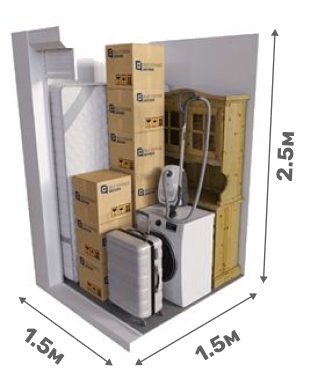
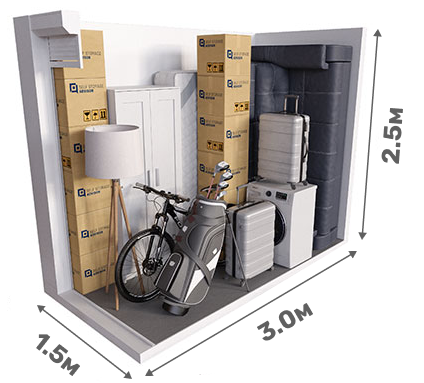
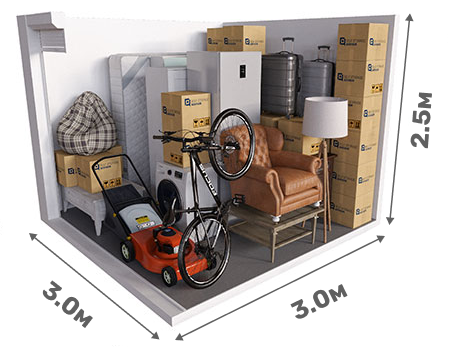
Choosing the right storage space is the main decision that affects both comfort and monthly cost. GetSpace uses size options such as XS, S, M, and L, and also describes small-volume units in cubic meters. A practical approach is to estimate what you store, how often you access it, and whether you need an aisle for retrieval. If you choose a unit that is too small, you will waste time re-stacking; if you choose a unit that is too large, you may pay for unused space.
Unit sizes XS-L and small-volume options
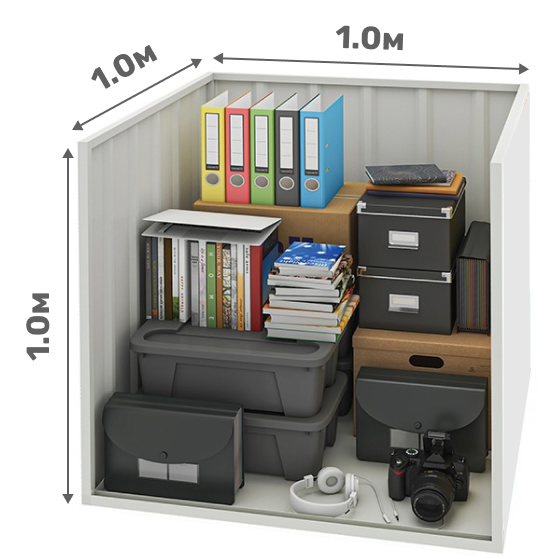
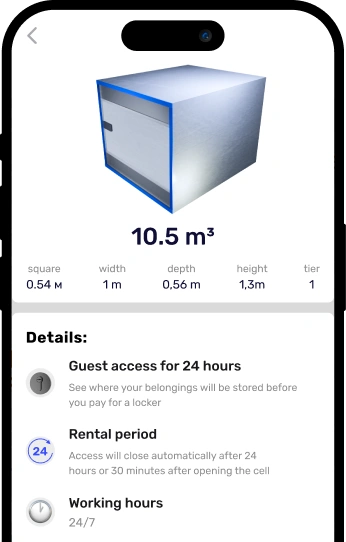
Small-volume storage is helpful when you need to clear space quickly without storing bulky furniture. GetSpace describes a 1 m3 unit as roughly 1m x 1m x 1m, which works for a compact set of boxes and suitcases. A 2 m3 unit fits more and is often chosen for seasonal items, extra clothing, and household goods you do not need daily. Larger XS-L sizes are typically selected when you store mixed items, furniture, or business inventory, where floor area and safe stacking matter.
Quick checklist to pick the right unit size
The easiest way to pick a size is to stop guessing and use a checklist that reflects real usage. Start by listing the categories you store and the number of boxes, then decide whether you will visit often. Frequent access usually requires extra room for an aisle so you can retrieve items without unpacking stacks. If access is rare, you can pack more compactly, but you still want stable stacking and clear labeling so you can find things later.
Size checklist: items, boxes, access frequency, aisle space
- Make an item list: boxes, suitcases, furniture, equipment
- Estimate box count and whether items are stackable
- Decide access frequency: weekly vs occasional visits
- Reserve aisle space if you need quick retrieval
- Plan the heaviest items at the bottom from day one
How to pack for easy access and fewer re-stacks
Packing strategy affects how storage feels after the first week. Label boxes on two sides so you can read labels from different angles. Group items by category and store “often used” categories closer to the front. Keep a simple inventory list on your phone, because it prevents repeated searching that leads to unnecessary re-stacking. For fragile items, use rigid boxes and avoid overstacking, especially when you store mixed items with different weight and shape.
Packing checklist: labeling, weight distribution, fragile items
- Label two sides of every box with category and room
- Keep heavier items at the bottom for stable stacks
- Use rigid boxes for fragile goods and electronics
- Place “front access” items near the entrance area
- Keep a small inventory list so retrieval stays fast
Monthly rental terms and flexibility
Most renters prefer a monthly structure because storage timelines often change. GetSpace describes rentals as flexible, available from one month, which fits both short term and long term needs. If you are moving or renovating, the end date may shift; if you run a business, storage may become part of ongoing operations. Monthly terms make it easier to extend or adjust without building a long-term commitment into your plans.
Month to month storage: when it fits best
Month to month storage is a good fit when you need space but do not want to guess your finish date. It works for renovations, temporary relocation, and any project where the timeline depends on third parties. For business, monthly terms allow you to scale storage based on seasonal demand. The best practice is to start with a unit that fits your current inventory plus a small buffer for access, then adjust only if your usage shows you need more room.
Short term vs long term storage decisions
Short term storage is usually about speed: book, move in, and keep items safe while a project is active. Long term storage is about routine: the unit should remain organized and easy to navigate over months. If you expect long-term usage, invest in a consistent labeling and stacking system from the first day. That one habit reduces time loss and makes storage feel predictable, which matters when the unit becomes part of your lifestyle or workflow.
Table: Formats and terms
| Format |
Typical term |
Key features |
When to choose |
| Month to month storage |
From 1 month |
Flexible duration, app-managed |
Uncertain timelines |
| Short term storage |
1-3 months |
Fast setup, simple packing |
Moving, renovation |
| Long term storage |
3+ months |
Stable organization, routine-based access |
Inventory, archives |
Pricing factors and how to estimate monthly cost
GetSpace references a baseline price from 150 AED per m2 per month and also mentions a promotion such as “First Month Free”. In storage, the biggest driver of monthly total is the unit size, followed by the plan and current availability. To estimate fairly, decide your needed size first, then calculate based on the per-square-meter baseline, and only then compare offers. This prevents the common mistake of choosing by a headline price while underestimating the space you actually need.
Price baseline and what usually changes the total
A per-square-meter price helps you translate your needs into a predictable monthly estimate. If you choose a unit that is too large, you may overpay every month; if you choose one that is too small, you may spend extra time and effort on access and re-stacking. The best value usually comes from a unit that fits your inventory with a small access buffer. If you are unsure, it is better to start with the smallest size that supports safe access and adjust after you see real usage.
Comparing storage facilities fairly
When you compare a storage facility in Al Quoz, use a standardized checklist so the comparison stays realistic. Compare unit size on the same basis, confirm access expectations such as 24/7 keyless entry, and check whether the booking and payment are handled online. Also consider safety systems like surveillance and fire safety features, because these are not “extras” in storage; they are part of peace of mind. If you want a quick confirmation before booking, you can clarify details by phone at +971 55 888 1111.
Comparison checklist: size basis, access model, safety systems, monthly terms
- Compare the same size basis (m2 or unit category)
- Confirm 24/7 access and keyless entry model
- Check booking and payment flow (app and online)
- Consider safety systems: surveillance, monitoring, fire safety
- Review monthly flexibility and what happens if you extend
Table: Pricing basis and options
| Option |
Price / basis |
What is included |
Notes |
| Storage unit rental |
From 150 AED / m2 / month |
App booking, online payment, 24/7 keyless access |
Total depends on unit size |
| Promotions |
Offer dependent |
May include first month incentive |
Terms depend on selected plan |
How to book and access your unit in 3 steps
The booking process is designed to be quick: you manage rental in the app, select your unit, pay online, and access the unit via keyless entry. This removes typical friction such as calls and paperwork, which is useful when you need storage today. If your plan is same-day move-in, prepare a simple item list before you start, because it helps you choose size quickly and prevents last-minute changes.
- Step 1: set up the app and explore locations
Start by downloading the GetSpace app and creating an account. Then explore available locations across Dubai and choose the option that matches your needs, including Al Quoz if it is the best fit for your routine. This step is where you confirm that the process feels clear and self-serve, which matters if you want minimal coordination and fast start.
- Step 2: choose the unit size and monthly plan
Choose a unit size based on your inventory and access frequency. If you plan frequent visits, keep an aisle space so retrieval stays easy. If access is rare, you can pack more compactly but should still label boxes and keep an inventory list. Select a monthly plan that matches your expected timeline, knowing that flexible month-based usage helps if your end date changes.
- Step 3: pay online and access instantly
Complete payment online and then access your unit with 24/7 keyless entry. This is the step that turns planning into action: after payment, you can move items in and organize the unit in a way that stays usable. A practical tip is to plan your first trip so you place heavier items first and keep “front access” items near the entrance, because it saves time on every future visit.
Move-in checklist: item list, packing order, first-trip essentials
- Bring your item list so you place categories intentionally
- Load heavy items first, then stack lighter boxes above
- Keep labels visible and do not block your aisle space
- Store frequent-use items closer to the front
- Save your inventory list on your phone for quick search
Frequently Asked Questions
- What is the difference between “storage facility” and “self storage” in Al Quoz?
In search behavior, these terms usually describe the same commercial need: renting a private storage unit within a facility. “Storage facility” is often used when people think about the location as a whole, while “self storage” highlights that you manage your unit and access it yourself. For your decision, compare by unit sizes, monthly flexibility, access model, and the booking flow.
- Is a “storage warehouse” in Al Quoz the same as a storage unit facility?
Many users type “storage warehouse” when they want a secure place with practical access and space options. A storage unit facility provides private units within a dedicated storage location, which covers most “warehouse storage” intent for households and small businesses. The key is to confirm that the unit size fits your inventory and that access and management match your routine.
- Can I rent storage space in Al Quoz for personal items and furniture?
Yes. Storage units are commonly rented for household belongings during moving or renovation, including furniture and boxed items. The practical point is choosing a unit size that supports safe stacking and easier retrieval. If you store furniture, prioritize floor space and stable packing, and keep a small access lane so you do not need to re-stack everything to reach items.
- How does app-managed storage make renting easier?
App-managed storage reduces coordination steps: you can book, pay, and manage your rental in one place. This matters most when you want to start quickly, avoid paperwork, and keep control over access. For many renters, time is the hidden cost of storage, so a streamlined flow helps storage remain simple even if your rental lasts longer than planned.
- Is access available at any time?
GetSpace describes 24/7 keyless access, which means you can visit based on your schedule rather than office hours. This is useful for moves that run late, renovation schedules, and business operations where retrieval might happen early morning or late evening. If you expect frequent visits, organize your unit with an aisle and clear labels so access remains fast and stress-free.
- What safety features matter most in a storage facility?
A storage facility is mainly about peace of mind. GetSpace references video surveillance and real-time monitoring, plus automated fire protection and fire safety features, which align with common renter concerns. Your own organization also contributes to safety: stable stacking, heavier items on the bottom, and strong boxes reduce damage risk and keep the unit easy to navigate.
- How do I estimate monthly cost before booking?
Start with your unit size, because size is the biggest driver of monthly total. GetSpace references pricing from 150 AED per m2 per month, which you can use as a baseline estimate. Then compare offers using the same size basis and the same access expectations. For a precise figure and plan details, you can clarify by phone at +971 55 888 1111.
- How fast can I start storage after I book?
GetSpace describes a fast flow where access can be available in minutes after booking, with same-day move-in referenced in site messaging. The most important practical factor is being ready with your unit size decision so you do not need to change plans mid-process. Prepare a short item list, choose your size, complete payment online, and plan your first trip packing order for safer setup.
- What are common mistakes when renting a storage unit facility?
The most common mistake is choosing a unit that is too small and then overfilling it, which makes retrieval hard and increases damage risk. Another mistake is skipping labels and inventory tracking, which turns storage into repeated searching. Finally, many renters forget aisle space when they expect frequent access. A simple plan, clear labels, and stable stacking keep storage usable over time.